Allergy Testing & Diagnosis in Charlotte, NC
Sneezing, congestion, itchy eyes, or unexplained rashes? These symptoms can disrupt your daily life, but you don't have to keep guessing what's causing them. Allergy testing is the most reliable way to identify the root cause of your symptoms and create a personalized treatment plan.
At Asthma & Allergy Specialists, our board-certified allergist, supported by an experienced care team, provides comprehensive allergy testing across multiple Charlotte-area locations and Belmont to help you get clear answers and long-term relief.
What Is Allergy Testing?
Allergy testing is a diagnostic process used to determine which substances (called allergens) trigger your immune system to overreact. When you have an allergy, your body produces antibodies known as Immunoglobulin E (IgE) in response to an allergen. These antibodies attach to special cells called mast cells, which release chemicals like histamine. This chain reaction causes the symptoms you experience: sneezing, itching, congestion, hives, and more.
Testing helps you stop guessing and start managing your allergies with confidence. Instead of avoiding everything or relying on medications that only mask symptoms, you'll know exactly what you're allergic to, and how to address it effectively.
How Allergy Testing Works
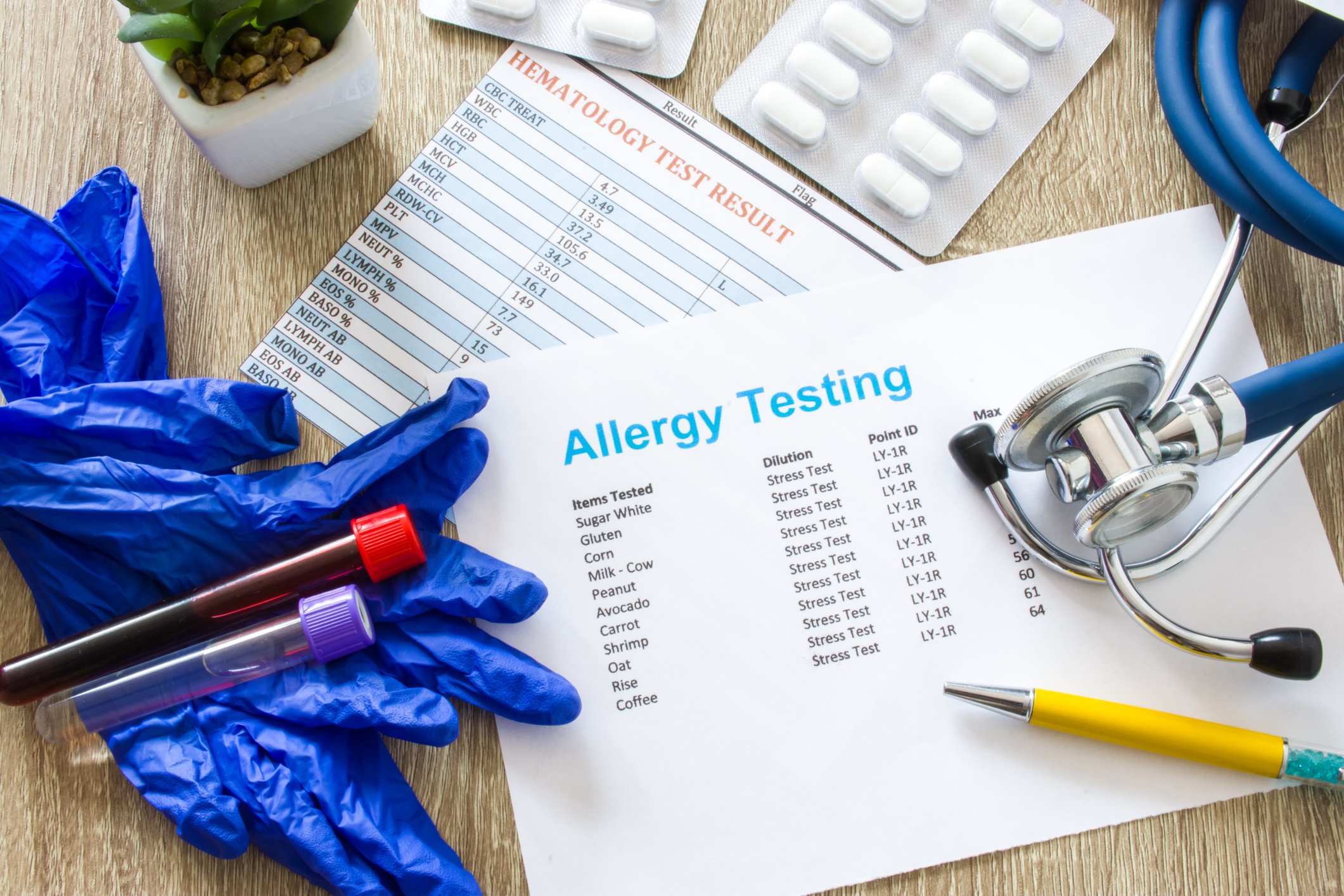
Our board-certified allergist uses several proven methods to identify your specific triggers. The type of test recommended depends on your symptoms, medical history, and the allergens we suspect. Here's an overview of the most common allergy testing methods we offer:
Intradermal Testing
If skin prick testing doesn't provide clear results, we may use intradermal testing. This involves injecting a small amount of allergen just beneath the skin's surface. Intradermal tests are more sensitive than skin prick tests and are often used to confirm or rule out allergies to insect venom, certain medications, or environmental allergens.

Skin Prick Testing
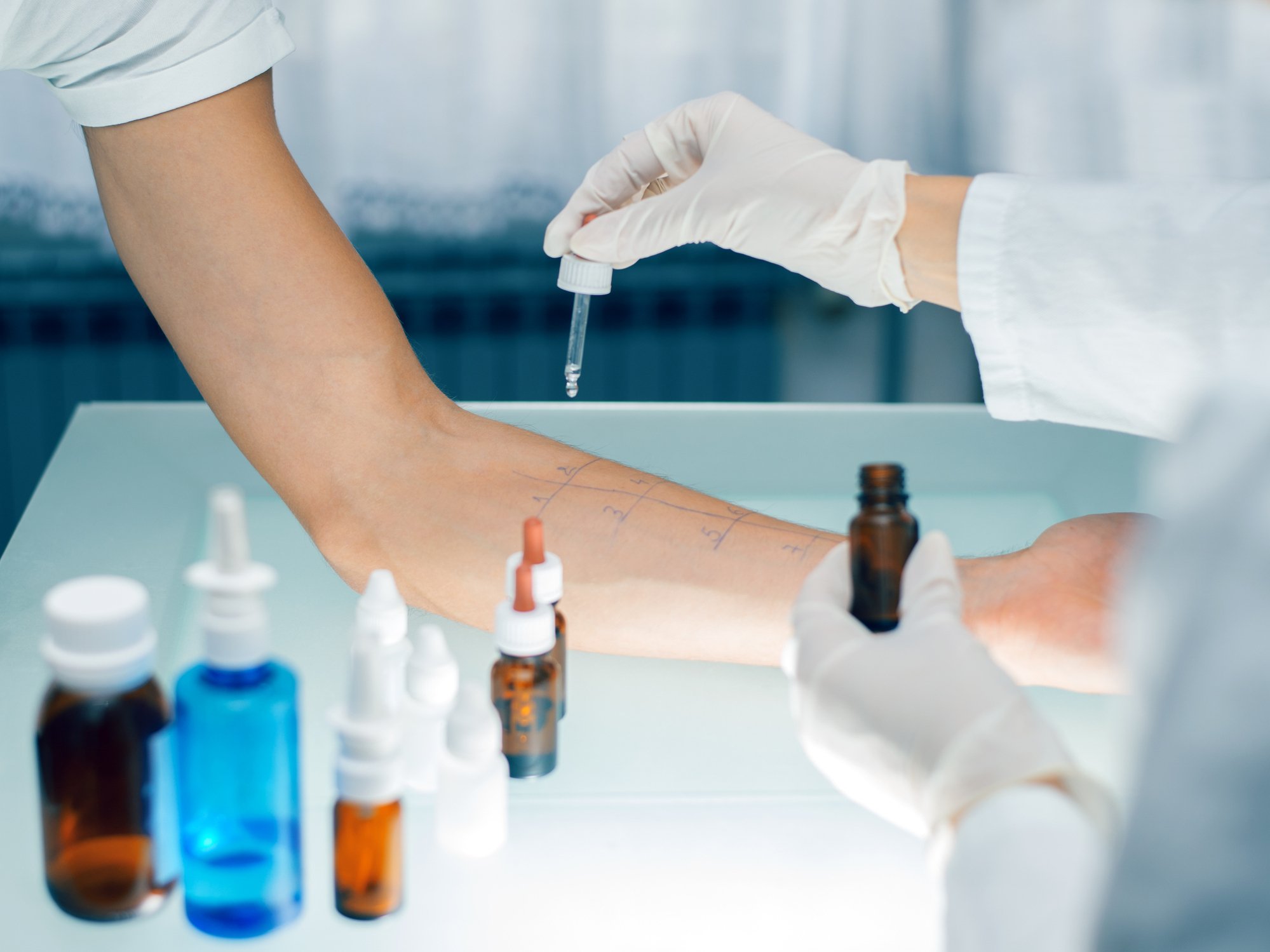
Skin prick testing is the most common and efficient way to test for environmental and food allergies. During this test, small amounts of suspected allergens are applied to the surface of your skin (usually on your forearm, upper arm, or back). The skin is then gently pricked to allow the allergen to enter the outer layer. If you're allergic to a substance, you'll develop a small raised bump (similar to a mosquito bite), redness, or itching within 15 to 20 minutes.
This method allows us to test multiple allergens at once, making it a fast and effective way to pinpoint your triggers. Skin prick testing is commonly used to diagnose seasonal allergies (like pollen and mold), pet allergies, dust mite allergies, and certain food allergies.
Patch Testing
Patch testing is especially helpful for diagnosing contact dermatitis, a condition caused by direct contact with allergens like fragrances, metals, or preservatives. Unlike skin prick testing, which detects immediate allergic reactions, patch testing identifies delayed allergic responses.
During patch testing, small amounts of allergens are applied to adhesive patches placed on your back. Unlike prick testing for immediate allergies, patch testing detects delayed allergic responses by applying small amounts of allergens to the skin and monitoring reactions over 48–96 hours. This test is especially helpful for diagnosing chronic rashes, eczema-like symptoms, or unexplained skin irritation.

Blood Testing
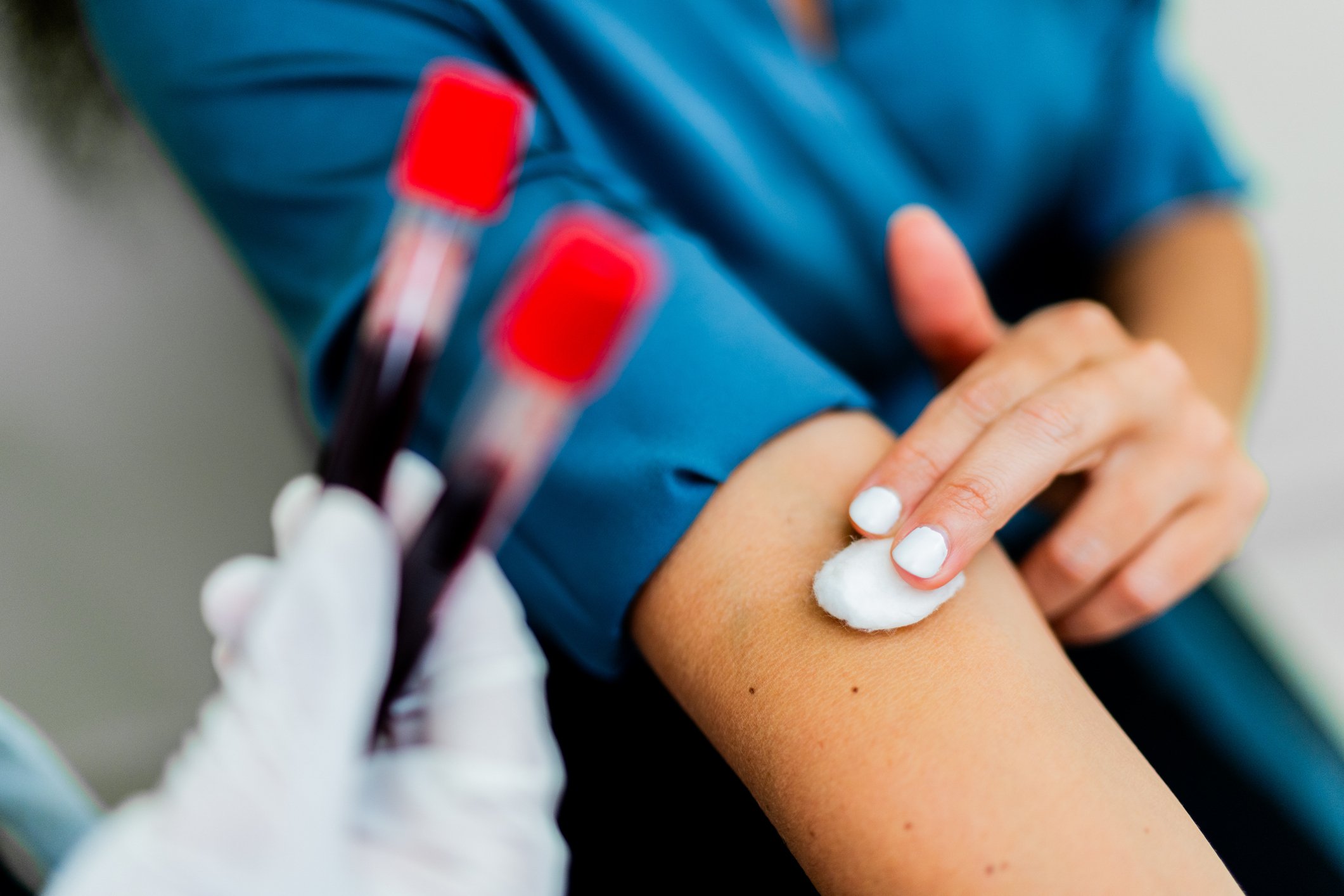
While blood tests are not performed in our office, your physician may order one in certain situations. Blood testing measures the amount of IgE antibodies your body produces in response to specific allergens. This method is typically reserved for cases where skin testing may not be accurate, such as when a patient has severe eczema, hives, or sensitive skin that reacts to the control solution used in skin tests.
Blood tests are less sensitive and more expensive than skin tests, but they can be a valuable alternative when needed.
Oral Food Challenge
An oral food challenge is considered the gold standard for diagnosing food allergies. It is a carefully supervised test in which small, gradually increasing amounts of a suspected allergen are consumed under medical observation.
This test is typically recommended when skin or blood testing results are inconclusive, or to determine whether a patient has outgrown a food allergy.
During the procedure, our clinical team closely monitors for any signs of a reaction and is fully equipped to respond immediately if needed.

When Should You Get Allergy Testing?
If you're experiencing persistent or unexplained symptoms, allergy testing can provide the answers you need. Consider scheduling an appointment if you have:
- Persistent symptoms like sneezing, congestion, runny nose, or itchy eyes that last for weeks or months
- Unknown triggers that make it hard to avoid flare-ups
- Seasonal patterns where symptoms worsen during certain times of the year
- Food or medication concerns, including reactions after eating certain foods or taking specific drugs
- Poor response to over-the-counter medications that don't provide lasting relief
- Asthma flare-ups that may be triggered by undiagnosed allergies
Testing is appropriate for both children and adults. Early diagnosis and proper management are key to preventing symptoms from worsening over time.
What to Expect During Your Appointment
Your allergy testing appointment is straightforward and typically takes about one hour.
How to Prepare:
To ensure accurate results, you may need to stop taking certain antihistamines and allergy medications 5-7 days before your appointment. Our team will provide specific instructions ahead of your visit.
Here's what the process looks like:
- Consultation: Your allergist will review your medical history, discuss your symptoms, and ask about potential triggers. This helps us determine which allergens to test.
- Testing: Depending on your symptoms, we'll perform skin prick testing, intradermal testing, or patch testing. The process is quick and causes minimal discomfort (most patients describe it as a light scratching sensation).
- Observation: After the allergens are applied, you'll wait 15 to 20 minutes while we monitor your skin for reactions. During this time, you can relax in our office.
- Results discussion: Once the observation period is complete, your allergist will review your results with you, explain what they mean, and discuss next steps for treatment.
Most patients experience little to no discomfort during testing. Any itching or redness typically resolves within a few hours.
Understanding Your Results
It's important to understand that a positive test result doesn't always mean you'll have symptoms in real-world situations. Allergy testing identifies sensitivities, but clinical interpretation is essential. Your allergy specialist will correlate your test results with your symptoms and medical history to determine which allergens are truly causing problems.
For example, you may test positive for a certain pollen, but if you don't experience symptoms during that pollen season, treatment may not be necessary. This is why working with a board-certified allergist is so important, as we ensure your diagnosis is accurate and your treatment plan is personalized.
What Happens After Diagnosis
Once we've identified your allergens, we'll work with you to create a comprehensive, personalized management plan. Your treatment may include:
- Avoidance strategies: Practical tips to reduce exposure to your specific triggers at home, work, and outdoors
- Medications: Antihistamines, nasal sprays, or other medications to control symptoms
- Immunotherapy: Allergy shots that gradually reduce your sensitivity to allergens over time, offering long-term relief
Our goal is to help you live comfortably and confidently, with fewer symptoms and better quality of life.
Allergy Testing Across Charlotte & Belmont
We provide allergy testing at multiple convenient locations throughout the Charlotte area, including Belmont, making it easy to access care close to home.
Frequently Asked Questions About Allergy Testing
Does allergy testing hurt?
Most patients experience minimal discomfort during skin prick testing. You may feel a light scratching sensation, and some itching or redness may occur at the test sites. These reactions are temporary and typically resolve within a few hours.
How long does allergy testing take?
A typical allergy testing appointment lasts about one hour, including consultation, testing, observation, and results discussion. Patch testing requires multiple visits over several days to monitor delayed reactions.
Do I need to stop taking my medications before testing?
Certain medications, especially antihistamines, can interfere with skin test results. Your allergist will provide specific instructions about which medications to avoid and for how long before your appointment. Always consult with your healthcare provider before stopping any medication.
Are allergy test results accurate?
Allergy testing is highly accurate when performed and interpreted by a board-certified allergist. However, results must be correlated with your symptoms and medical history to ensure an accurate diagnosis. A positive test alone doesn't always mean you'll have symptoms in real life.
Can adults get allergy testing?
Yes! Both children and adults can benefit from allergy testing. While some childhood allergies may improve over time, many allergies persist into adulthood or develop later in life. It's never too late to get tested and find relief.
Can allergy testing diagnose food allergies?
Yes, skin prick testing and blood tests can help diagnose IgE-mediated food allergies. However, not all adverse food reactions are true allergies. Your allergist will help determine whether your symptoms are caused by an allergy, intolerance, or another condition.
What if I have sensitive skin or eczema?
If you have active eczema, hives, or very sensitive skin, your allergist may recommend blood testing instead of skin testing. We'll work with you to find the safest and most accurate testing method for your situation.
Will my insurance cover allergy testing?
Most insurance plans cover allergy testing when it's medically necessary. Check our insurance page for more details. Our team can also help verify your coverage and answer any questions about costs before your appointment.
This content is for informational purposes only and does not replace professional medical advice. Please consult a qualified provider for diagnosis and treatment.
For more information about allergies and asthma management, visit our Articles & Resources page.