What Is the Teal Pumpkin Project?
Halloween is a fun-filled time of year with costumes, candy, and trick-or-treating. But for children with food allergies and their families, Halloween can be more than just spooky, but genuinely scary. The risk of accidental exposure to allergens can make traditional trick-or-treating stressful, and some families may choose to avoid it altogether.
Food Allergy Research & Education (FARE) leads the Teal Pumpkin Project nationwide. The Teal Pumpkin Project® helps make Halloween safer and more inclusive for children with food allergies. By offering non-food trinkets and toys in a separate bowl, you can provide a fun alternative to candy.
What Does a Teal Pumpkin Mean?
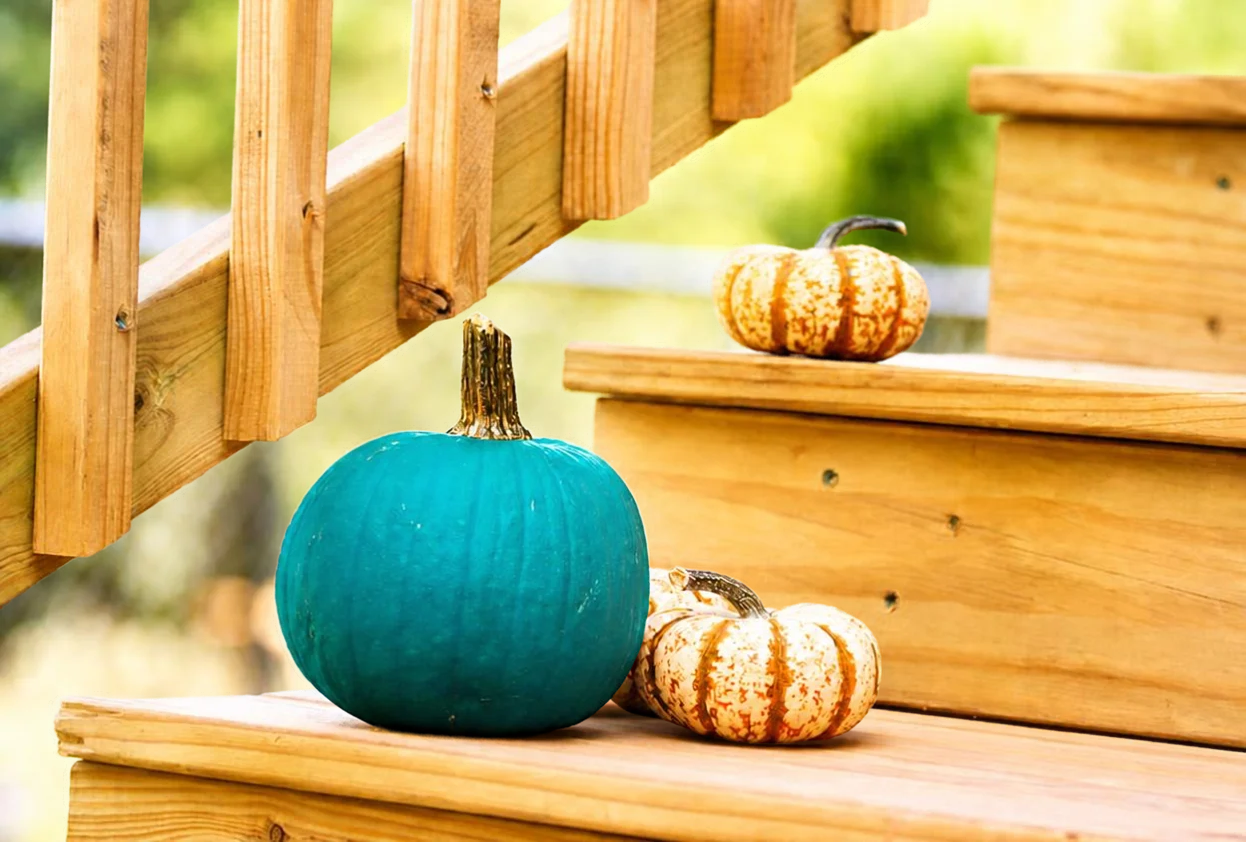
A teal pumpkin outside a home tells trick-or-treaters that non-food treats are available. For Charlotte families, it is a simple way to include children with food allergies who may not be able to eat the candy being handed out.
A teal pumpkin doesn’t mean every candy item at the home is safe for every child. It only signals that a separate non-food option is available.
Why Non-Food Treats Matter
For children with food allergies, accepting candy from neighbors can be challenging. Many popular Halloween treats contain common allergens such as peanuts, tree nuts, milk, eggs, soy, or wheat, while others may be manufactured in facilities where cross-contact can occur. Because ingredient labels are not always reviewed until children return home, many families must carefully inspect every piece of candy before it can be enjoyed.
Non-food treats can also benefit children with other dietary restrictions or medical conditions, helping create a more inclusive Halloween experience for everyone. A simple gesture, like providing a separate bowl of non-food goodies, can make a big difference and help ensure that all children feel welcome, included, and able to enjoy the holiday.
How to Participate
- Display a teal pumpkin or the official Teal Pumpkin Project sign where families can see it.
- Keep non-food treats in a separate bowl from candy to reduce the chance of cross-contact.
- Let every child choose between candy and a non-food item.
- Choose age-appropriate items and supervise young children around small toys.
- Add your home or community event to FARE’s map if listings are open.
Easy Non-Food Treat Ideas
Try glow sticks, bracelets, temporary tattoos, stickers, pencils, crayons, bubbles, erasers, bookmarks, mini notepads, playing cards, or small novelty toys.
Take Steps for a Safe Halloween!
Learn more about the Teal Pumpkin Project, download resources and become a community champion at FARE’s Teal Pumpkin Project page.
Food Allergy Support for Charlotte & Belmont, NC Families
If your child has symptoms after eating or you suspect a food allergy, an evaluation can help identify possible triggers and whether testing is appropriate. Asthma & Allergy Specialists offers testing and care for children and adults at its Arboretum, Mallard Creek, and Steele Creek locations.
Learn more about food allergy testing at Asthma & Allergy Specialists or request an appointment.