Asthma Testing and Pulmonary Function Testing (PFT) In NC
When breathing symptoms persist, understanding what is behind them is what makes treatment meaningful rather than just manageable. Asthma testing and pulmonary function testing give you and your clinician a clearer picture of how your lungs are working, what may be triggering your symptoms, and what treatment approach makes the most sense for your daily life.
At Asthma & Allergy Specialists, PA, our team provides asthma and breathing evaluations for children and adults throughout the Charlotte, NC area. Testing can help confirm an asthma diagnosis, monitor existing asthma, and guide a treatment plan that fits your symptoms, triggers, and daily life.
What Is Pulmonary Function Testing (PFT)?
Pulmonary function testing is a group of breathing tests that are used to measure how well your lungs move air. These tests can show whether your airways are narrowed and how much air you can exhale, which will help your clinician treat your condition.
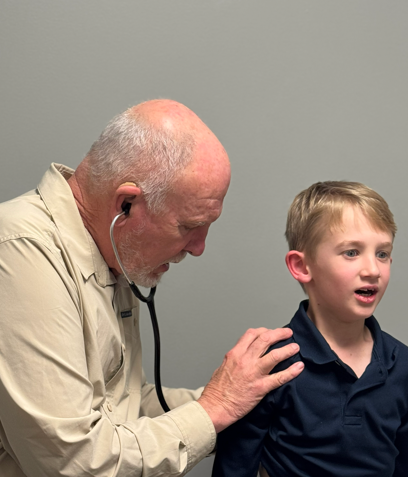
For children with breathing concerns, our team, including two board-certified pediatric pulmonologists, also offers pediatric-focused care. Visit our Pediatric Pulmonology page to learn more.
Asthma Tests We Offer
What is a Spirometry Test?
One of the most common types of pulmonary function testing is spirometry. This is a simple breathing test that measures the amount and speed of air you can blow out after taking a deep breath. Your clinician may repeat testing after you use a bronchodilator, which is a medicine that helps open your airways.
What is Peak Expiratory Flow?
Your clinician may also ask you to do peak expiratory flow (PEF) rate monitoring. This test uses a small handheld device called a peak flow meter to measure how forcefully you can blow air out. Your clinician may ask you to use it twice a day for about two weeks and track your results.
Typically, the first daily test is taken in the morning after a walk and before using a bronchodilator. Another test is taken later in the day after using the bronchodilator. If your peak flow changes significantly between the two tests, it may indicate that your airways are narrowed and opening again, which can help support a diagnosis.
Learn more about the condition on our asthma care page.
When Should You Get Asthma Testing?
You may benefit from asthma testing if breathing symptoms keep coming back, interfere with daily activities, or do not improve as expected.
Consider scheduling an evaluation if you or your child has:
- Frequent coughing, especially at night or after exercise
- Wheezing or noisy breathing
- Shortness of breath
- Chest tightness
- Breathing symptoms triggered by pollen, pets, dust, mold, or weather changes
- Symptoms that worsen during allergy season
- Repeated bronchitis-like episodes
- A current asthma diagnosis, but ongoing symptoms despite treatment
A breathing test for asthma can be especially helpful when symptoms are persistent or unclear. It gives your clinician more information than symptoms alone, which can support a more accurate diagnosis and treatment plan.
Why Pulmonary Function Testing Matters for Treatment
Asthma treatment is not one-size-fits-all. Two patients may have similar symptoms but very different breathing test results, triggers, and treatment needs.
Pulmonary function testing helps your clinician:
- Confirm whether asthma may be causing symptoms
- Measure how limited the airflow is
- Track whether lung function improves with treatment
- Adjust medications when symptoms continue
- Identify when another condition may need to be considered
- Monitor asthma control over time
This matters because asthma can change. Symptoms may flare during allergy season, after respiratory infections, during exercise, or with exposure to certain triggers. Testing gives your clinician objective information that can help guide care, rather than relying solely on how symptoms feel day to day.
Frequently Asked Questions About Asthma Testing and PFT
What Is Spirometry and How Does It Work?
A spirometry test is a common breathing test for asthma. It measures how much air you can exhale and how quickly you can blow air out. These results help your clinician understand whether your airways may be narrowed or inflamed.
How Long Does Pulmonary Function Testing Take?
The length of pulmonary function testing can vary based on the type of testing needed. Many basic breathing tests can be completed during an office visit, but your care team can give you a more specific estimate when your appointment is scheduled.
Is Asthma Testing Painful?
No. Asthma testing is usually not painful. Our tests involve breathing into a mouthpiece and following instructions from your care team. You may feel temporarily winded from the effort, but the test itself is noninvasive.
Should I Stop Medications Before Testing?
Ask your clinician before stopping any medication. Some inhalers or asthma medications may affect test results, but you should only hold medication if your care team specifically tells you to do so.
Can Children Undergo Pulmonary Function Testing?
Yes, many children can complete pulmonary function testing, especially if they are old enough to follow breathing instructions. For younger children, your clinician may use other evaluation methods or recommend pediatric-focused care.
Why Choose Our Team for Asthma Testing
Asthma & Allergy Specialists, PA focuses on asthma, allergy, immunology, and pulmonary care for both adults and children. Our team evaluates breathing symptoms with attention to the full picture, including lung function, allergy triggers, symptom patterns, and treatment history.
With locations in Arboretum, Mallard Creek, Steele Creek, and Belmont, our practice serves patients throughout the Charlotte area. If you are dealing with ongoing asthma symptoms or need help understanding whether asthma may be affecting your breathing, our team can help guide the next step.
Learn about our asthma and allergy care team or view our Charlotte-area locations to schedule care.
This content is for informational purposes only and does not replace professional medical advice. Please consult a qualified provider for diagnosis and treatment.
For more information about allergies and asthma management, visit our Articles & Resources page.